Clean Air, Cheap Thrills: London's ULEZ and the French Hot Hatch in 2026
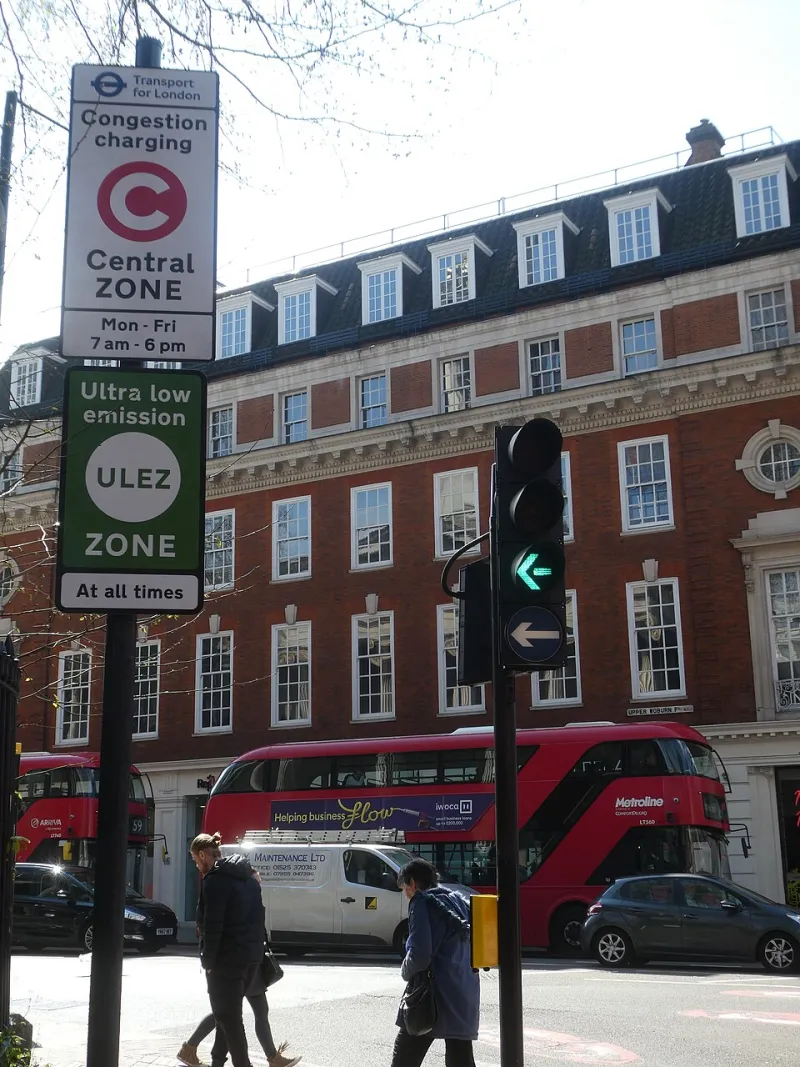
Photo: citytransportinfo, CC0, via Wikimedia Commons
London has always been an awkward place to keep a fun car. Traffic, parking, speed bumps and camera density are enough to test anyone's enthusiasm. Since the Ultra Low Emission Zone expanded to cover the whole capital in 2023, another factor has entered the conversation: the daily charge. In 2026, the ULEZ divide is no longer a footnote for French performance owners. It is shaping what people buy, what they keep and what the market will pay.
The rule itself is simple enough. Petrol cars generally need to meet Euro 4 emissions standards, which means most cars registered from around 2006 onwards. Diesels need Euro 6, which effectively means September 2015 or later for most models. If your car does not comply, you pay the daily charge when driving inside the zone. That charge is £12.50 per day. It does not take many days a month to turn a cheap hot hatch into an expensive habit.
The compliant side of the garage
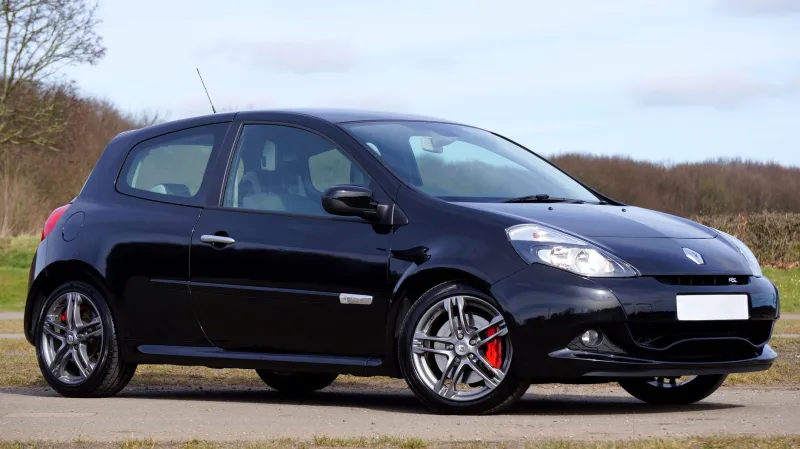
For French performance fans, the compliant list is more generous than it first appears. Later Renaultsport Clios are the obvious starting point. The Clio 197 and Clio 200, both launched after 2006, are generally Euro 4 petrol and therefore ULEZ-compliant. The same is true for most Mégane R26 and R26.R models, and for later Mégane 250 and 265 cars. Peugeot's 208 GTI and 308 GTI are comfortably compliant, as are modern Citroën DS3 Performance models and the Alpine A110.
That creates an interesting split. A Clio 200 is still a proper enthusiast car: naturally aspirated, rev-happy and deeply suited to UK B-roads. It is also usable inside London without a daily charge. The same goes for a Mégane R26, which has become a credible modern classic without becoming unaffordable. These cars are not cheap any more, but they are not silly money either. The ULEZ factor gives them a practical advantage that a standard performance car buyer might not have considered five years ago.
The non-compliant icons
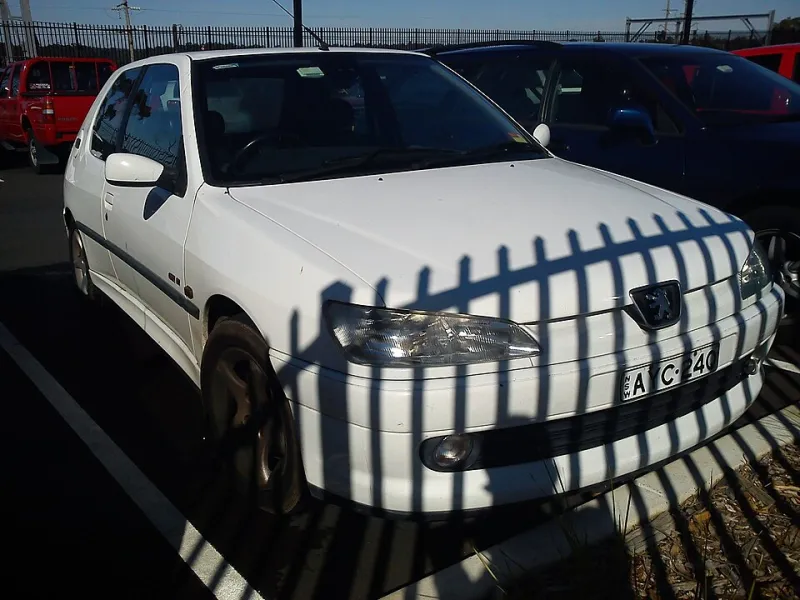
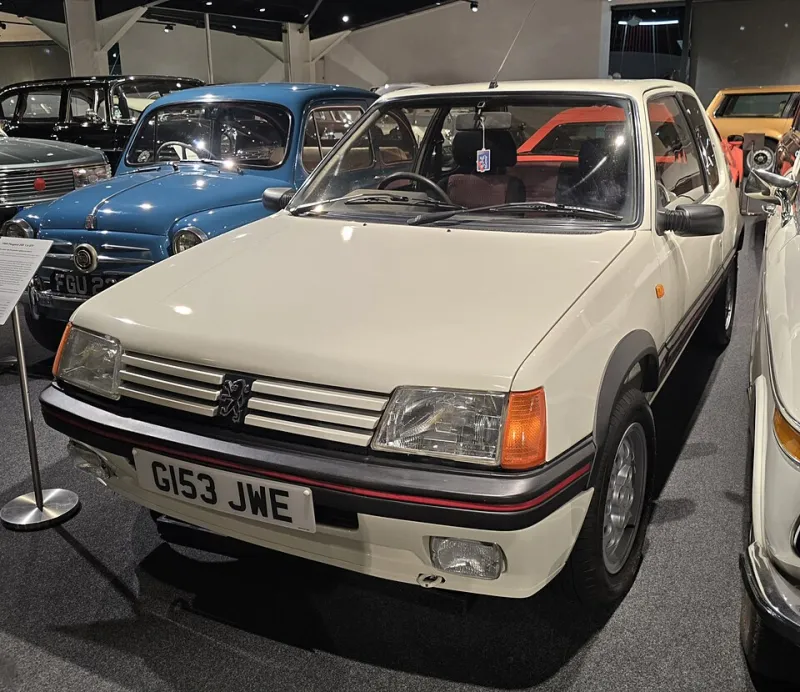
The other side of the line is where the heartache lives. Early 205 GTIs, 306 GTI-6s, Saxo VTSs and many pre-2006 206 GTI 180s are not ULEZ-compliant. A Renaultsport Clio 182 is another favourite that usually falls on the wrong side of the Euro 4 cut-off. These are not bad cars. They are some of the best French performance cars ever built. But if you live inside the zone and use one daily, the charge changes the maths.
There is an important caveat here. Age is a guide, not a guarantee. Some cars registered in the transition period may be compliant, and some may not. The only reliable way to check is to use the TfL vehicle checker with the registration number. Do not buy a car because the seller says it is ULEZ-compliant. Check it yourself before money changes hands. The V5C emissions information can help, but the official checker is the one that matters.
What it does to values
The market has begun to price the ULEZ factor in, but not evenly. Compliant French performance cars inside London are holding value well because they can be used without a daily penalty. Non-compliant cars are not necessarily collapsing in value, because buyers outside London still want them. A 306 GTI-6 in Manchester or a Clio 182 in Wales does not care about the congestion charge. The result is a regional split rather than a national crash.
That said, non-compliant cars sold inside London often sit for longer. Sellers either have to accept a lower price or wait for a buyer who is happy to pay the charge or keep the car outside the zone. For rare or exceptionally clean cars, the ULEZ issue is less of a problem. For ordinary examples, it is another negotiating point. Buyers should use it accordingly.
Daily urban use versus weekend track duty
The ULEZ divide is really a question about use. If your French hot hatch is your only car and you live inside the zone, compliance is close to essential. Paying £12.50 a day to drive a Clio 182 to the shops quickly becomes tiresome. If you are using the car two or three times a week, the annual cost can run into thousands. That money is better spent on tyres, track days or a newer car.
If the car is a weekend toy, the calculation changes. Many enthusiasts keep their track car outside London, use it for occasional blasts and drive to circuits like Brands Hatch, Snetterton or Bedford Autodrome. In that case, a non-compliant car can still make sense. You are not paying the charge every day, and the car's character may be worth more to you than its emissions rating. The key is to be honest about how often you will actually drive it inside the zone.
Buying advice for London-based enthusiasts
First, decide whether compliance is a hard requirement. If you need the car for daily transport, it probably is. If it is a second car, you have more flexibility. Second, check the registration on the TfL checker before you view the car. Third, look at insurance and parking costs alongside the purchase price. A cheap non-compliant car is not cheap if you are paying the daily charge and a resident parking permit.
Fourth, consider the cars that sit just on the right side of the line. A Clio 200 or Mégane R26 offers modern performance, parts availability and compliance. They are not as raw as a 205 GTI or as featherweight as a Saxo VTS, but they are usable in a way that matters in London. For many buyers, that is the sensible compromise.
Has the market priced it in?
Partly. The days of ignoring ULEZ when valuing a French hot hatch are over. Sellers inside London know the charge exists, and buyers are starting to ask the question before they view. But the market is not purely rational. Emotion still drives a lot of purchases, especially for cars like the 205 GTI, 306 GTI-6 and Clio 182. Those cars have a following that transcends daily practicality.
The result is a two-tier market rather than a single price correction. Compliant cars are more valuable to London buyers. Non-compliant cars are more valuable to everyone else. The smart buyer works out which tier they belong to before they start shopping. In 2026, that is the difference between a good buy and an expensive lesson.