Thirty Years of Six Speeds: Why the Peugeot 306 GTI-6 Still Makes Sense in 2026
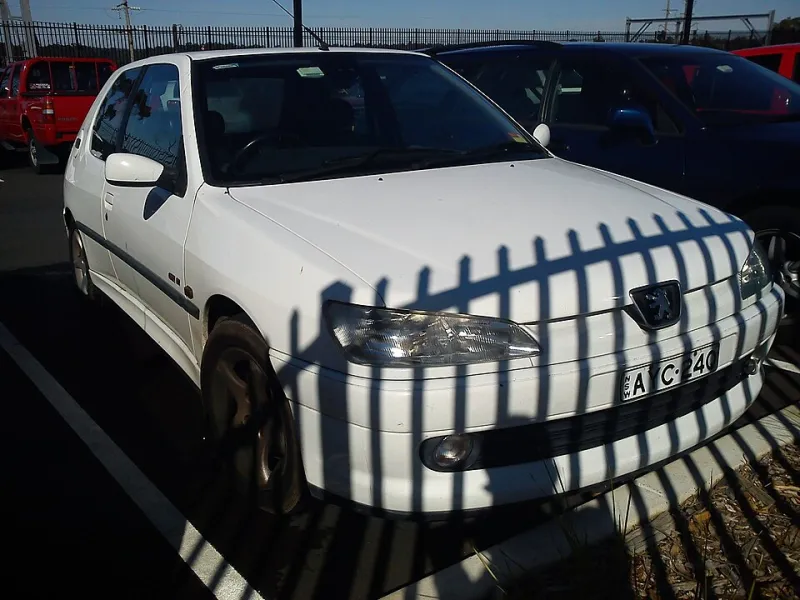
Photo: FotoSleuth, CC BY 2.0, via Wikimedia Commons
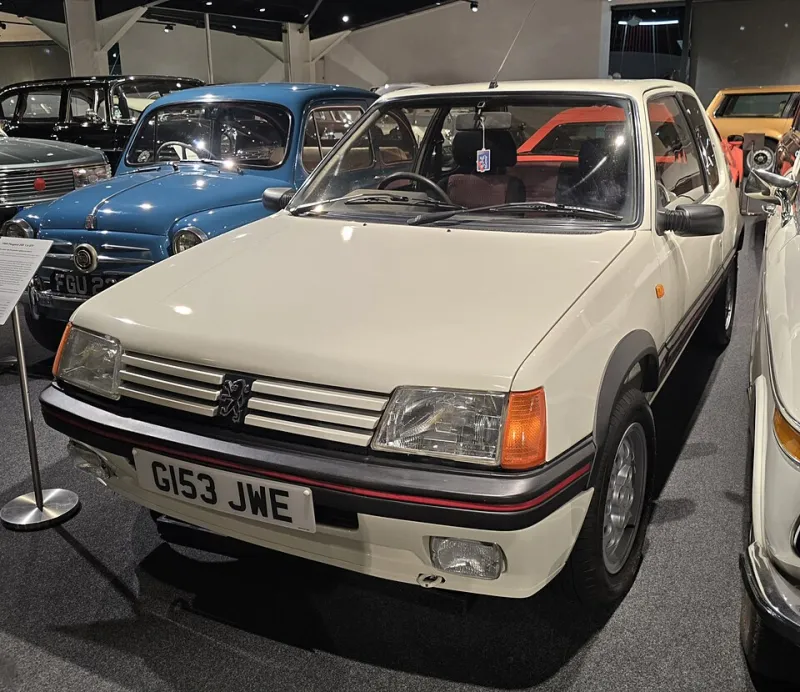
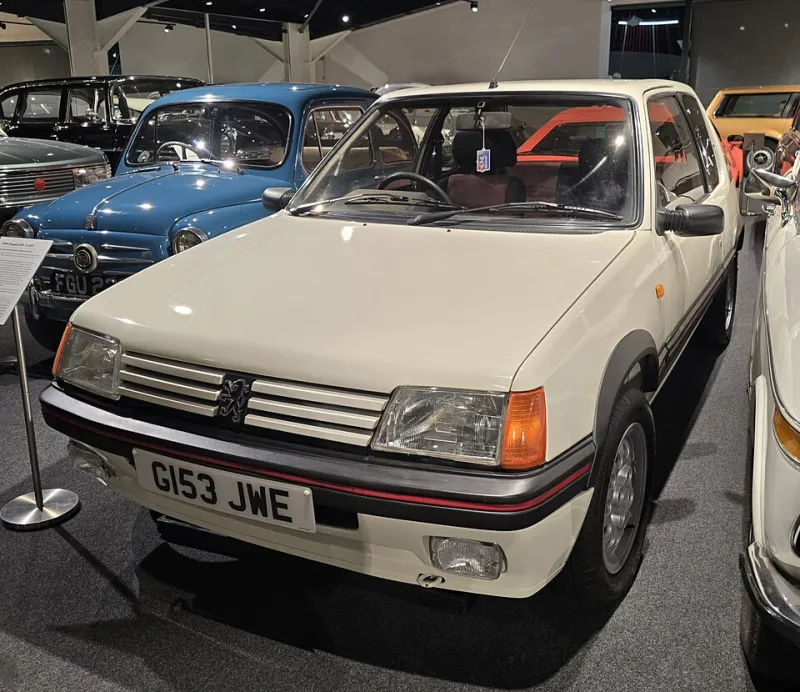
The 205 GTI gets the statue. It gets the magazine covers, the auction results and the misty-eyed recollections from anyone who owned one in 1989. The 306 GTI-6, which turns thirty this year, gets a slightly patronising nod and a comment about how it was never quite as sharp.
That is a shame, and it is also wrong. The GTI-6 is arguably the more complete fast Peugeot, and in 2026 it is quietly one of the better value ways into genuinely rewarding front-wheel-drive motoring.
A car that arrived fully formed
When the GTI-6 landed in 1996, Peugeot did not ease into it. The 2.0-litre XU10J4RS engine produced 167bhp, which was respectable rather than startling, but the headline was bolted to the floor: a six-speed manual gearbox in a front-wheel-drive hatchback, at a time when five speeds was the norm and six was the preserve of serious sports cars.
It was not a marketing exercise. The ratios were closely stacked through the first five gears, keeping the engine in its stride, with a taller sixth for motorway work. The result was a car you could hustle along a B-road without ever falling out of the powerband, and then drive to the south of France without your ears ringing.
Performance figures - around eight seconds to 60mph and a top speed nudging 130mph - never told the whole story. They still do not.
The chassis is where the rally car shows through
The 306 was developed with one eye on the rally stage, and the GTI-6 benefited from that. The front struts and trailing-arm rear end were tuned for composure rather than theatrics, and the passive rear-steer bushes - which allow a small amount of toe change under load - give the car a willingness to rotate that feels almost unnatural in something so practical.
Peugeot's Maxi Kit Car programme of the mid-to-late Nineties put the 306 in front of huge crowds on tarmac rallies, harrying four-wheel-drive machinery it had no business being near. The road car carries a diluted version of that DNA: a front end that bites hard, a rear that follows obediently, and steering that talks to you constantly through a proper hydraulic rack.
That last point matters enormously in 2026. Electric power steering has improved, but nothing modern tells you what the front tyres are doing the way a 306 does at seven-tenths on a damp Berkshire lane.
What it is actually like to drive now
On a wet, greasy British B-road the GTI-6 is enormous fun and faintly humbling. There is enough torque to pull cleanly out of slow corners, a limited-slip differential is conspicuously absent so you learn to manage inside wheelspin, and the gearbox - notchy when cold, delightful when warm - rewards a deliberate shift.
On track it is a lesson in momentum. You are not going to monster a modern hot hatch down a straight, so you learn to carry speed, brake late and use the rear-steer effect to your advantage. It is a car that makes a decent driver better, which is not something you can say about everything with a sporty badge.
The values picture
The GTI-6 is still the bargain of the fast Peugeot world, though the gap is narrowing. A rough but running project starts around three to four thousand pounds. A tidy, honest car with sensible mileage sits in the seven to nine thousand bracket. Low-mileage, unmodified examples with full history are now comfortably five figures, and the best concours cars have pushed past fifteen thousand. The lighter, stripped-out Rallye variant carries a premium of its own.
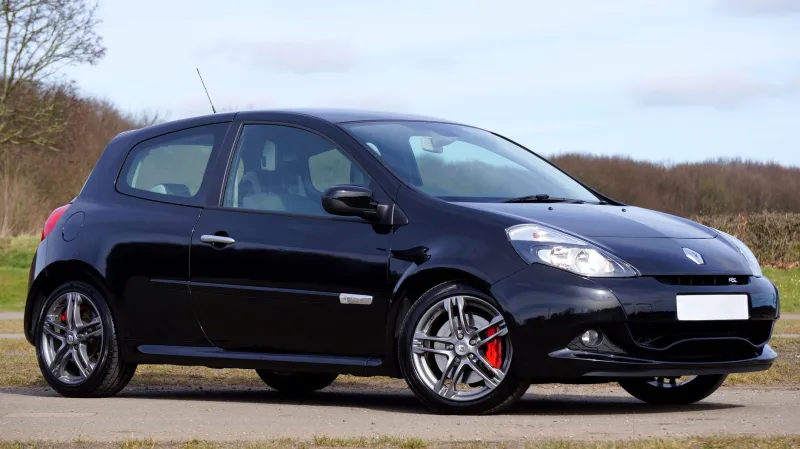
Compare that with where 205 GTI money has gone and it starts to look like an opportunity. Compare it with a Clio 182 and the 306 is more expensive to buy but materially rarer and, in my view, more interesting to own.
Buying pitfalls
Rust is the one that ends projects. Check the rear arches, the sills, the boot floor, the scuttle area and the jacking points with a magnet and a torch. Sunroof leaks are common and rot the floor before you notice the damp carpet.
Mechanically, the XU engine is robust but the cambelt is not a suggestion - it needs doing on schedule, and a snapped belt on a 16-valve is an expensive conversation. Listen for tappet noise and check for oil smoke on the overrun. The BE3 six-speed gearbox is the other weak point: worn synchros, sloppy linkage bushes and whining bearings are all fixable but rarely cheap. The passive rear-steer bushes degrade with age and make the back end feel vague, which owners often misdiagnose as worn dampers.
Beyond that: heater matrix leaks necessitate a dashboard-out job, electric window regulators fail, and the radiator and thermostat housing are known to give up. None of it is catastrophic, but together it is a thorough inspection list - take someone who knows the model.
Parts in 2026
The picture is mixed but workable. Service items are easy through the usual factors. Peugeot main dealers have largely given up on the car, but a healthy specialist network has stepped in, and the owners' club scene is strong. Used panels, interior trim and gearbox parts move through enthusiast groups daily. The scarce items are good used body panels, original wheels and gearbox internals - so budget for a rebuild if the change is crunchy.
Why choose one over a Clio
The Clio 172 and 182 are faster point to point, cheaper to run fast and have a broader aftermarket. If you want lap times and cheap track days, buy the Renault.
But the 306 gives you a six-speed gearbox with genuine character, a chassis with proper feel, three usable rear seats and a boot, and the sense of driving something you rarely see. It is the sort of car that gets a thumbs up in a supermarket car park from a bloke in his fifties who once had a GTI.
Thirty years on, the GTI-6 remains the connoisseur's fast Peugeot. Buy a good one now, before everyone else remembers.