The Driveway Divide: Ten French Hot Hatch Maintenance Jobs, Ranked by Spanner-Friendliness
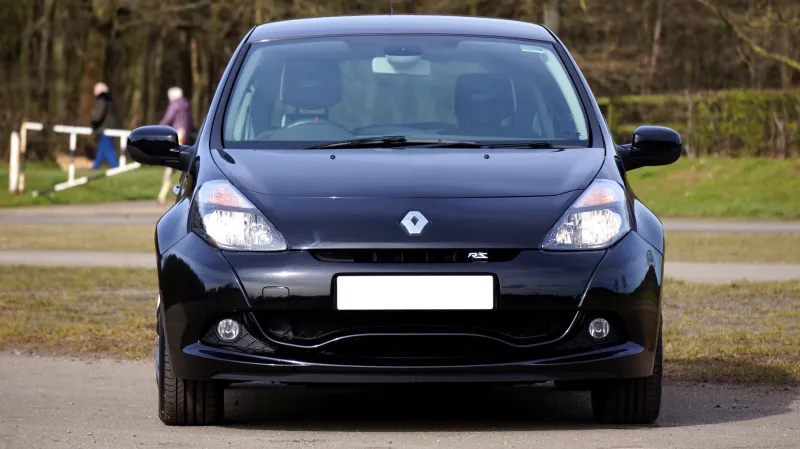
French hot hatches have a reputation. Some of it is earned, some of it is the internet doing what the internet does. But owning a Clio 172, a 205 GTi or a Mégane R.S. in 2026 is not automatically a fast track to financial ruin. The difference between a manageable project and a money pit is usually not luck. It is knowing which jobs you can sensibly tackle yourself, which ones need a ramp and a specialist, and where the labour savings actually justify the skinned knuckles.
This is not a heroic call to rebuild an engine on a gravel driveway. It is a practical ladder. Start at the bottom, build confidence, and know when to stop and ring someone who has done the job fifty times before.
1. Oil and filter: the gateway job
If you can jack a car safely, support it on stands and undo a sump plug, you can change the oil on most French hot hatches. A Clio 172 is straightforward once you have the right filter wrench and a drain tray that does not resemble a colander. A 205 GTi is even simpler in principle, though rusty fasteners and previous-owner chaos can complicate anything.
In 2026, a garage oil change might cost £70 to £120 depending on the oil and the car. Doing it yourself with a quality 5W-40 and a decent filter often lands nearer £40 to £60. The saving is modest, but the habit is valuable: you get under the car, you see what is weeping, and you catch small problems before they become MOT advisories.
2. Spark plugs and coil packs
On a four-cylinder hot hatch, plugs are usually a satisfying job. Access on a Clio 172 is reasonable; access on some newer turbo cars is a plastic cover removal exercise. Use the correct plug, gap them if required, and do not gorilla the threads. Coil packs are similarly plug-and-play on many models, though French electronics can occasionally demand a diagnostic check afterwards.
Labour savings here are real. A garage might charge an hour for plugs on a car where the job takes twenty minutes with a mug of tea nearby. Just resist the urge to overtighten anything plastic, because twenty-year-old French engine bay plastics have the structural integrity of a digestive biscuit.
3. Air filter and intake pipework
This is a fifteen-minute job on most models and a good excuse to inspect cracked intake hoses. On turbocharged cars, split pipes can cause rough running and flat spots, and a cheap silicone replacement can be a sensible upgrade. Keep the standard airbox unless you enjoy noise and mapping headaches.
The labour saving is small, maybe £20 to £40, but the diagnostic value is high. You learn what the engine bay should look like before anything goes wrong.
4. Brake pads and discs
Brakes are where DIY starts to feel serious. They are also where a methodical approach pays off. Pads and discs on a Clio 200 or Mégane R.S. are achievable with a decent socket set, a caliper wind-back tool and copper grease in the right places. Do one side at a time, compare everything, and never let the caliper hang by the hose.
A garage might charge £150 to £250 per axle for parts and labour. DIY can halve that, but only if you are honest about your abilities. If a bleed nipple snaps or a caliper piston is seized, you need a plan B.
5. Brake fluid flushing
This is a two-person job, or a one-person job with a pressure bleeder. It is also one of the most ignored maintenance items on older hot hatches. Fresh fluid makes a noticeable difference to pedal feel on track, and it prevents corrosion inside expensive components.
A garage flush might cost £60 to £100. A pressure bleeder and a bottle of DOT 4 cost less than that, and you will use them again. Just do not let the reservoir run dry, and dispose of old fluid properly.
6. Coolant hoses and thermostat housing
On older French cars, cooling systems are a mix of straightforward access and brittle plastic. Replacing a hose is often easy; diagnosing which hose is weeping can take longer. A thermostat housing on a 205 GTi is old-school simple compared with some modern turbo layouts, but rusty bolts can turn a thirty-minute job into an afternoon.
This is a good middle-rung job. You will save £50 to £120 in labour, but only if you can deal calmly with a snapped bolt. If not, pay someone and watch how they do it.
7. Auxiliary belt and tensioner
Access varies wildly. On some Clios it is tight but doable; on others you will wonder whether the engine was assembled around the belt. A new aux belt and tensioner is preventative maintenance, and a failed belt can take out other components.
Labour savings can be £60 to £100. The catch is that you need the correct routing diagram and a decent torch. Take a photo before you remove anything. That photo will save you a forum post.
8. Top engine mount
Worn engine mounts are common on older hot hatches, and the top mount is often accessible from above. A polybush upgrade can sharpen things up, but be warned: stiffer mounts transmit more vibration. On a daily driver, standard rubber is often the smarter choice.
This job sits right on the driveway divide. It is achievable with axle stands and a jack to support the engine, but you must be careful. Get it wrong and you can damage components or, worse, yourself. If you are not confident supporting the engine, delegate.
9. Rear beam bushes on a 205 GTi: the press club
This is where the driveway stops. Rear beam bushes on a 205 GTi are not intellectually difficult, but they are physically stubborn. You usually need a press or a specialist tool to remove and refit them, and the beam itself may have rust issues that only become obvious once it is off the car.
A specialist might charge £300 to £500 for the job depending on condition. That stings, but it is not a conspiracy. It is access, tooling and experience. On a car of this age, paying someone who knows 205s is often cheaper than buying the tools and learning on your own beam.
10. Cambelt on a Clio 172: specialist territory
The Clio 172 is a brilliant thing, but its cambelt is not a casual driveway job. Access is tight, the timing setup needs locking tools, and getting it wrong is an engine-out mistake. In 2026, a cambelt and auxiliary belt job at a Renaultsport specialist might run £500 to £800 depending on what else is replaced.
Could you do it yourself? Possibly, if you have the tools, the manual, the patience and a backup car. Should you? Only if you are genuinely experienced. This is the point on the ladder where false confidence gets expensive. A specialist invoice is cheaper than a valve-shaped paperweight.
The real saving is knowing when to stop
DIY maintenance is not about refusing to pay anyone. It is about paying for the right things. Oil, filters, plugs, pads and fluid changes keep a French hot hatch viable without draining your savings. Bushes, cambelts and rusty structural work are where specialists earn their keep.
In 2026, with labour rates what they are, doing the simple jobs yourself can save a few hundred pounds a year. But the bigger win is the knowledge you build. You learn the car, spot problems early, and stop treating every garage visit like a mystery. That is the spanner test worth passing.