Tiny Turbo, Proper Thrills: Buying a Peugeot 208 GTi for Track Days in 2026
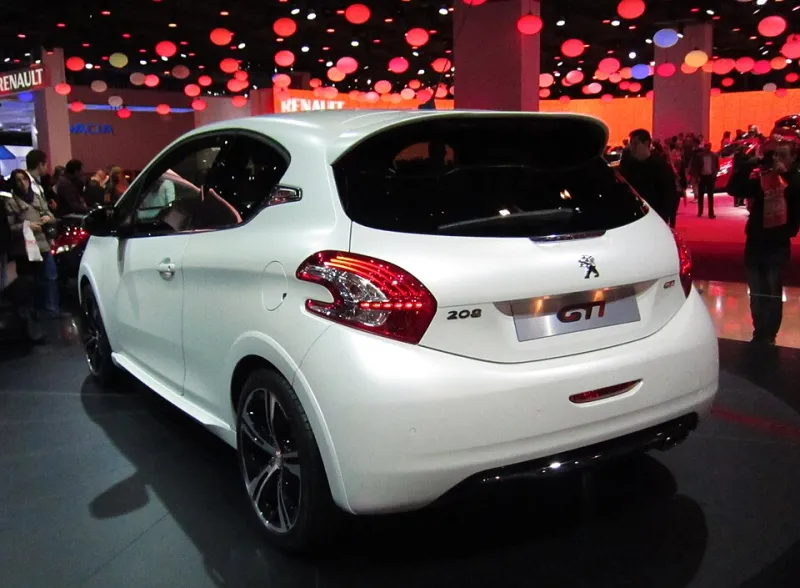
Photo: Rutger van der Maar, CC BY 2.0, via Wikimedia Commons
Cast your mind back to 2012. Peugeot dropped a 1.6-litre turbocharged four into a three-door 208, gave it 197bhp, a six-speed manual and a ride height you could genuinely live with, and badged it GTi. The reception was lukewarm. Everyone wanted a second coming of the 205 GTi and instead got a slightly podgy supermini with a tiny steering wheel and a lot of screen.
Fast forward to 2026 and all that indifference works in your favour. The 208 GTi is cheap, plentiful, mechanically understandable and quick enough to embarrass far more expensive metal down a damp Bedford autodrome straight. The catch is that the 1.6 THP engine has a reputation, and buying the wrong car turns a bargain into a money pit faster than you can say 'timing chain'.
Why the 208 GTi makes sense right now
There is a sweet spot forming here. New enough to have proper safety kit, aircon, a decent driving position and parts availability through any motor factor, but old enough that depreciation has finished doing its damage. You are looking at a car that will sit at 40mpg on the M6 to Cadwell, hold 120mph on the straights, and cost you less to run for a season than a set of tyres for a Cayman.
Consumables are the real argument. 215/45R17 rubber is affordable, front pads are cheap, discs are cheaper still, and the whole car is simple enough that a set of axle stands and a trolley jack covers most jobs. Compare that to anything modern and turbocharged and the appeal writes itself.
Two cars, one badge
This is the single most important decision in the whole buying process.
The standard 208 GTi runs 197bhp, 17-inch wheels, 302mm front discs, softer springs and dampers, and an open differential. It is a nice fast road car. On track, particularly in the wet at Brands Hatch, that open diff will spin the inside front tyre and burn your lap time while you sit there wondering where the grip went.
The GTi by Peugeot Sport, sold from 2015 onwards, is a different animal. Power climbs to around 205bhp, but the headline is the Torsen limited-slip differential. Add wider front and rear tracks, a 15mm lower ride height, stiffer springs and dampers, 323mm front discs, 18-inch wheels and sharper steering, and you have a car that genuinely punches above its price. The earlier 30th Anniversary edition previewed much of that recipe and is worth a look if one surfaces with honest history.
If track work is the plan, buy the by-Peugeot-Sport car. The price gap is smaller than the difference it makes.
What to pay in 2026
Standard GTis trade roughly between £3,500 and £6,500 depending on mileage and condition. The by-Peugeot-Sport cars sit in a £6,500 to £10,000 band, with low-mileage late examples pushing past £11,000. Anything under £3,000 is almost certainly a project, a cat-N write-off, or a car with a chain rattle being sold at dusk to someone in a hurry.
Set your budget at £8,000 for a by-Peugeot-Sport car and keep £1,500 back. You will spend some of it, and the car you buy with that reserve will be a better one than the £9,500 hero.
The 1.6 THP: what actually goes wrong
This engine is fine when it has been looked after and miserable when it hasn't. Work through this list before you hand over any money.
- Timing chain. Listen from cold. A rattle for the first two seconds that fades is a warning; a rattle that stays is a quote. Chain and tensioner work is not catastrophic money, but it should be priced in.
- Carbon build-up. Direct injection means the intake valves get coked up. Rough idle, flat top end and a car that feels slower than the figures suggest all point this way. A walnut blast is the fix and worth budgeting for.
- High-pressure fuel pump. Hesitation under load, long cranking, fault codes. Not cheap, not rare.
- Coolant leaks. Thermostat housings and water pumps are a known weak point. Check the level cold, look for crusty pink residue around the front of the block.
- Oil consumption. Some cars use it, some don't. Ask the owner directly and check the dipstick before and after a test drive.
- Diverter valve and wastegate rattle. A whooshing, chirping noise on lift-off or a metallic rattle on a cold start points at turbo ancillaries.
- Coil packs and the cam cover breather membrane. Cheap to fix, annoying to diagnose.
Service history matters more than mileage here. Oil changes every 6,000 to 8,000 miles, not the manufacturer's optimistic intervals. A folder of receipts is worth more than a shiny set of alloys.
Body, chassis and cabin checks
Look at the rear arches and the tailgate shut lines, check the boot floor for damp, and inspect the jacking points — these cars get kerbed and trolley-jacked by people in a hurry. The rear beam bushes wear and make the back end feel vague; a test drive on a rough B-road will tell you plenty.
Inside, the small-wheel i-Cockpit setup is divisive but check the touchscreen works properly, the heater blows hot both sides, and the seat bolsters aren't collapsed. A tired driver's seat on a 60,000-mile car usually means a lot of short, hard journeys.
Turning one into a weekend track car
Don't chase power. A fast road pad compound up front, fresh high-temp brake fluid, decent tyres and a proper geometry setup will transform the car for well under £1,000. Add a baffled sump if you're doing long sessions and consider a rear anti-roll bar to dial out some understeer. Otherwise, spend the rest on seat time.
Fit a set of 17-inch wheels with track rubber for circuit days and keep the 18s for the road. Your arches, your wallet and your tyre bills will all thank you.
The verdict
The 208 GTi is not the most exciting French hot hatch ever built. It is, however, one of the most sensible ways to get on a UK circuit in 2026 without remortgaging anything. Buy the by-Peugeot-Sport car, buy on history rather than mileage, and keep a contingency fund. Do that and the overlooked Peugeot quietly becomes the best value thing in your garage.