Five Grand, Two Icons: Picking a French Track Car for 2026
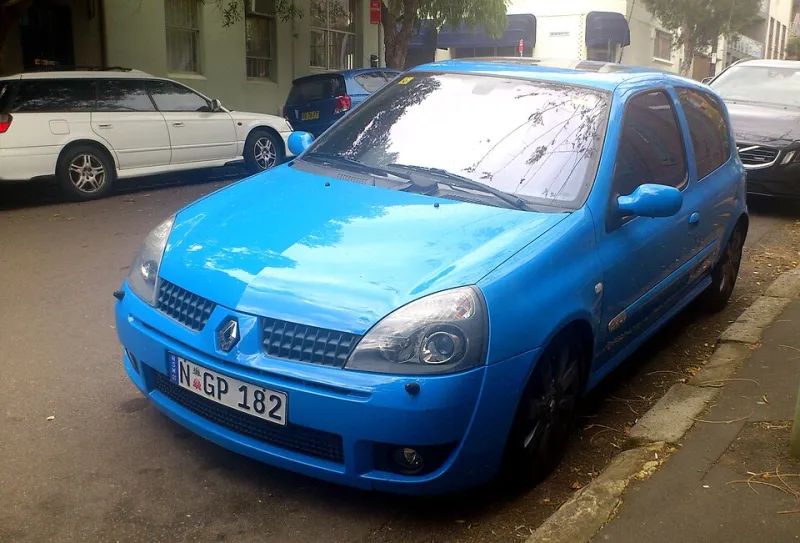
Photo: FotoSleuth, CC BY 2.0, via Wikimedia Commons
Five thousand pounds does not go far in the 2026 performance car market. It buys a tired modern hot hatch with a dashboard full of warnings, or an older French car with proper steering feel and a list of jobs. For trackday use, two naturally aspirated icons keep coming back: the Renaultsport Clio 182 and the Peugeot 306 GTI-6. They are not really rivals on paper - one is a pointy 2.0-litre five-speed, the other a longer-legged six-speed - but at this budget they ask the same question: where do you want your money to go?
The £5k reality check
Neither car is a turn-key track toy at five grand. A Clio 182 at £5k is usually a road car with tired dampers, a noisy gearbox or a cambelt history you need to verify. A 306 GTI-6 at £5k is often a project with rust in the rear arches, a tired rear beam or a gearbox that crunches into second. Budget another £1,500-£2,500 for tyres, brakes, fluids, bushes and the inevitable surprises. The good news is that both respond well to basic setup, and neither needs big power to be fun.
Clio 182: the point-and-squirt option
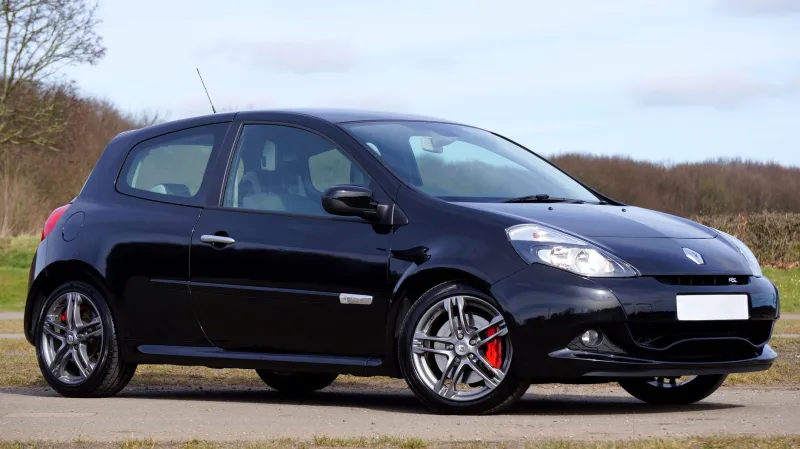
The Clio 182 is the obvious modern-classic choice. You get 182hp from the F4R 2.0-litre, a five-speed manual, a relatively light shell and a chassis that loves to rotate. It feels eager and compact, with a front end that turns in sharply and a rear axle that will help you if you are smooth - and bite if you are not. On a damp Bedford Autodrome day it is huge fun; on a faster Snetterton session it can feel nervous unless the geometry and dampers are right.
Parts availability is strong. Renaultsport specialists know these cars, consumables are cheap, and there is a healthy aftermarket for dampers, mounts, brake pads and geometry settings. Weak points are well documented: cambelt and dephaser pulley, gearbox synchros, wheel bearings, rear calipers and tired suspension bushes. Check for trackday scars, but do not be put off by a car that has been used properly - be put off by one that has been modified badly.
Setup priorities: tyres first, then brake fluid and pads, then geometry. A set of good trackday tyres and a proper fast-road alignment will transform the car. Do not slam it; the Clio needs suspension travel. Fresh dampers or a sensible coilover kit, uprated engine mounts and a brake pad compound that suits your experience are enough for most drivers.
306 GTI-6: the momentum machine
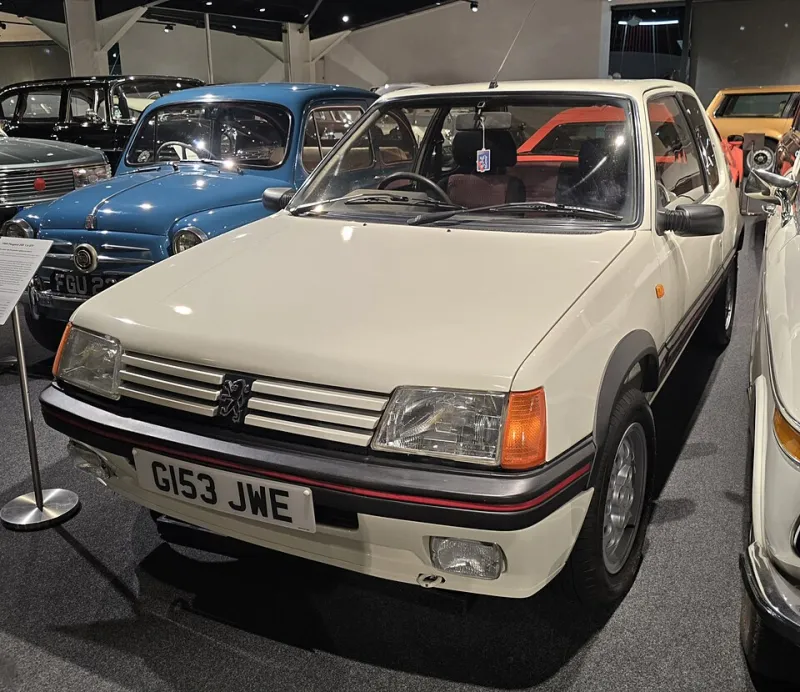
The 306 GTI-6 is the older-school answer. It has 167hp from the XU10 2.0-litre, a close-ratio six-speed gearbox and a chassis that feels planted and mature. It is heavier than the Clio and less immediately agile, but it rewards momentum, smooth inputs and patience. The six-speed helps on faster circuits, and the passive rear-steer rear suspension gives it a stable, trustworthy feel at speed. It is the car you take to Snetterton when you want to learn how to carry speed rather than rely on punch.
Parts are good but not quite as easy as the Clio. The specialist network is strong, but trim and some gearbox parts are getting harder to find. Rust is the big issue: rear arches, sills, floor pans and rear beam mounts. The rear beam itself wears, and the gearbox can suffer from weak synchros. A rebuilt rear beam and fresh gearbox oil are basic ownership costs, not upgrades.
Setup priorities: inspect the structure before you spend a penny on go-faster bits. Then fresh tyres, brake fluid, pads and a proper geometry check. The GTI-6 likes a neutral balance; do not stiffen the rear blindly. A standard car with good dampers, fresh bushes and decent tyres is a lovely thing on track.
Running costs and circuit manners
On consumables, the Clio is cheaper and easier. Tyres are common, pads and discs are affordable, and every Renaultsport specialist has seen one before. The 306 is not expensive either, but it can be more fiddly and parts hunting takes time. Both will do mid-20s mpg on the road and low-teens on track if you are trying.
At Bedford, the Clio is the easier car to jump into and enjoy immediately. It is small, pointy and forgiving enough at novice speeds. The 306 is also fine there, but it rewards a calmer style. At Snetterton, the 306's stability and six-speed make it feel more grown-up, while the Clio's extra agility can be faster but more demanding. Neither car needs more power to be fun; they need brakes, tyres and alignment.
Which should you buy?
Buy the Clio 182 if you want the easiest route into French trackday ownership in 2026. It is more common, cheaper to run, easier to resell and has a huge knowledge base. Buy the 306 GTI-6 if you want something rarer, more old-school and more rewarding to learn. It is the better long-term project and the more interesting car at a cars and coffee meet, but it demands more patience.
Either way, do not spend your £5k on the first shiny example. Get underneath it, check the structure, verify the cambelt and gearbox history, and keep a contingency fund. The best track car is not the one with the most power - it is the one you can afford to maintain, insure and drive home from the circuit.