Arch Enemies: Buying a Peugeot 205 GTI in 2026 Without Inheriting a Welder’s Bill
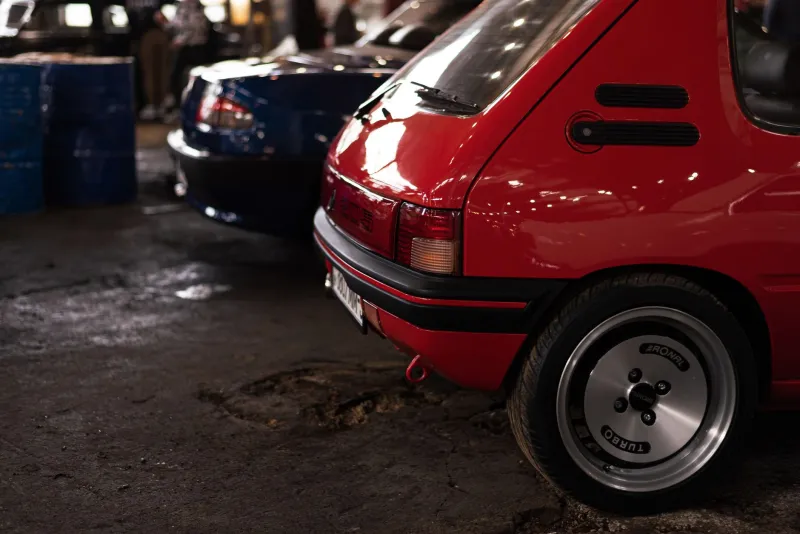
The Peugeot 205 GTI has spent four decades being called the best hot hatch ever built, and in 2026 that reputation still does a lot of heavy lifting. It is small, light, wonderfully direct and blessed with a parts network that most old French cars can only dream about. It is also a 1980s hatchback with rear arches that seem to have been designed as a moisture trap. Buying one well is less about chasing the cleanest advert and more about knowing where these cars actually dissolve.
Start with the arches, not the advert
A seller can describe a 205 GTI as ‘solid underneath’ with a straight face because they have never taken the rear interior trim out. You need to look properly. The outer rear arch is the famous rot spot, but the real trouble usually starts inside the arch lip and around the inner wheelhouse. Press firmly along the lip with a finger or a small magnet. Crunching, bubbling or a magnet that drops off are all telling you the same thing: welding is coming.
On a wet driveway, water running down the rear quarter can make a tired repair look better than it is. Dry the area with a cloth and look for fresh underseal, uneven seam sealer or paint that is a slightly different shade inside the arch. A car that has been repaired well is fine, but you want photographs and a clear description of what was cut out and replaced. A plate slapped over a rusty lip is not a repair; it is a countdown timer.
The hidden 205 GTI rust map
Rear arches get the headlines, but a proper inspection should include the sills, jacking points, floor edges, boot floor and the area around the rear beam mounts. Lift the carpets if the seller will let you, and look under the rear seat base. Water gets into these cars through tired sunroof drains, leaky tailgate seals and perished grommets, then quietly settles in the lowest points.
Up front, check the scuttle area below the windscreen, the battery tray and the inner wings. The front panel and headlamp surrounds can also suffer, especially on cars that have spent years outside. The tailgate lower edge is another classic, and a replacement tailgate is not always easy to find in the right colour or specification. None of this means walk away automatically. It means price the work honestly before you get emotionally attached to a set of speedlines.
1.6 or 1.9? Trim matters more than you think
The 1.6 and 1.9 GTI debate will run forever. The 1.6 revs sweetly and feels revvier, while the 1.9 has more mid-range shove and the later cars gained a touch more equipment. In 2026, condition and originality should outrank engine size. A well-kept 1.6 is a far better buy than a rough 1.9 with a patchwork history.
Trim and special editions can add real money, but they also add headaches. Missing interior plastics, correct seats, genuine wheels and original badges are becoming harder to source. A car with a scruffy but complete interior is often a safer bet than a shiny one with half its identity lost to aftermarket parts. Check that the chassis and VIN details line up with what the seller claims, and ask for the V5C before you fall for the story.
The wet-driveway inspection order
Start outside and walk the car slowly. Look along both sides for ripples in the rear quarters, then kneel down and inspect the arch lips and sill seams. Open every door, the boot and the bonnet. Wet carpets, misted glass and a damp smell are clues. Under the bonnet, check the strut tops, battery tray and inner wings. Under the rear, look at the boot floor, fuel filler area and rear beam mounts.
Then ask for a cold start. A 205 GTI should settle into a steady idle without too much drama. Listen for tappet noise, exhaust blows and fuel smells. Check the oil and coolant, but do not read too much into fresh fluids; they can hide neglect as easily as they can show care. A short drive should reveal worn suspension, tired engine mounts and a gearbox that crunches into second. These cars are old now, so some slack is normal. A stack of invoices and a recent MOT history are worth more than a polished engine bay.
What it really costs to put one right
In 2026, a usable 205 GTI is no longer a cheap car, and a rough one is rarely a bargain. Welding and paint are the big variables. Rear arch repairs can run from a few hundred pounds for a tidy local job to well over a thousand once inner arches, sills and paint blending are involved. A full respray is a serious investment, and poor panel fit will annoy you every time you walk up to it.
Mechanically, these cars are relatively straightforward, but worn rear beams, tired suspension bushes and tired brakes all add up. Parts availability is good compared with many French classics, though genuine trim and rare model-specific pieces can be painful. Budget for the car you can see, then add a contingency for the rust you cannot. If the seller will not allow a proper inspection or a knowledgeable friend to look underneath, that is your answer.
The honest verdict
A Peugeot 205 GTI is still worth stretching for in 2026, but only when the shell is sound and the history makes sense. Buy the best body you can afford, worry about the engine second and treat missing trim as a negotiation tool rather than a deal-breaker. These cars reward patience. The right one will feel light, eager and alive on a British B-road. The wrong one will feel like a welder’s bill with a steering wheel attached.