Second Fiddle, First Choice: A Peugeot 206 GTi 180 Trackday Project for 2026
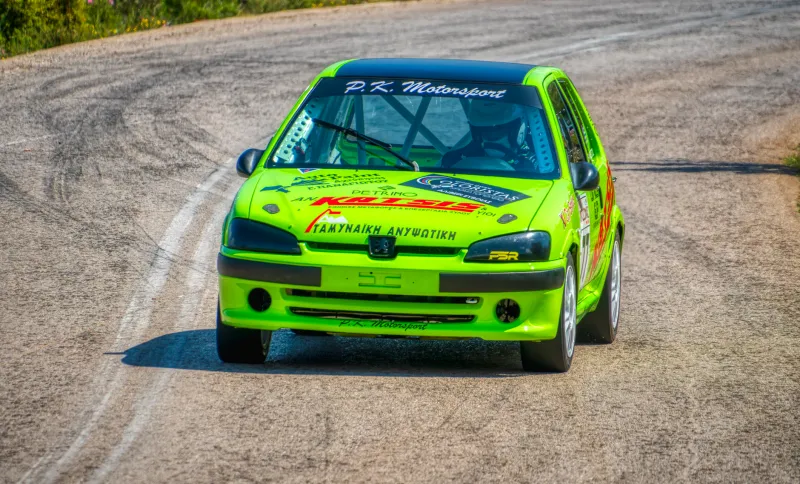
The Peugeot 206 GTi 180 has never had the easiest life. It arrived after the 205 GTI had already been canonised, and it was later overshadowed by turbocharged successors and the ever-present Renaultsport Clio. In 2026, though, that slightly awkward position is exactly why it deserves a look. It is quick enough to be fun, simple enough to work on and still cheap enough to buy without remortgaging the house. If you want a French trackday car that is not another Clio 182, the 206 GTi 180 is a genuinely interesting backdoor.
What you are actually buying
Under the bonnet sits the 2.0-litre EW10J4S, a naturally aspirated four-cylinder with 177bhp and a five-speed manual gearbox. It is not a rev-happy screamer in the mould of a Honda VTEC, but it has enough mid-range torque to pull cleanly out of British B-road corners and enough top-end to feel lively on a trackday. The chassis is a familiar MacPherson strut front and torsion beam rear arrangement, which means the basics are simple, durable and well understood by anyone who has spent time under a French hatch.
The 206 GTi 180 was never a stripped-out special. It came with a reasonable level of kit, decent seats and a shape that still looks sharp today. That makes it a pleasant road car, but it also means that 20-year-old examples can be hiding tired suspension, worn bushes and electrical gremlins under a still-attractive exterior. The key is to buy on condition rather than mileage or spec.
Before you hand over cash
Start with the paperwork and MOT history. These cars are old enough that a thick folder of receipts is worth more than a shiny set of wheels. Check the cambelt and water pump have been done within a sensible interval, and look for evidence of regular oil changes. The EW10 engine is generally sturdy, but neglect shows up quickly in the form of oil leaks, tired coil packs and a rough idle.
Rust is the big one. Check the sills, jacking points, rear axle area, boot floor and the panels around the rear lights. The 206 is not as rot-prone as a 205, but it is now firmly in the age bracket where hidden corrosion can turn a cheap project into a welding bill. Rear beam bearings are another common weak point, so look for uneven rear tyre wear, a clonking noise over bumps or a rear end that feels vague. Front lower arms, ball joints, top mounts and steering racks all wear, and none are expensive individually, but they add up.
Electricity is another 206 trait. Check every window, the heater blower, the central locking and the instrument cluster. Water ingress around the ECU and BSI can cause strange faults, so inspect the scuttle area and passenger footwell for damp. A test drive should include a few miles of bumpy road, some hard braking and a chance to feel how the car behaves when you lift off mid-corner. The 206 GTi 180 is not a widowmaker, but a tired rear beam and old dampers can make it feel much less composed than it should.
The weak points that actually matter
- Rear beam and mounts: A worn beam ruins handling and can be a pain to refurbish. Factor it in.
- Dampers and top mounts: Original suspension will be well past its best. Fresh dampers transform the car.
- Brakes: Rear calipers can seize, and old flexi lines should be replaced as a matter of course.
- Cooling system: Check the radiator, thermostat housing and hoses for leaks or bodged repairs.
- Exhaust and heat shields: Rattles and blows are common and can fail trackday noise tests.
- Electrics: Windows, heaters and central locking are all known 206 foibles.
Sensible track prep
Do not start by stripping the interior. The best money you can spend is on making the car safe, reliable and consistent. Begin with fresh engine oil, a new coolant mix and a brake fluid change to a decent DOT 4. Fit good pads, fresh discs if needed and braided brake lines. Tyres matter more than power, so choose a sensible trackday-friendly road tyre or a semi-slick if you are trailering the car.
Geometry is where the 206 starts to come alive. A proper alignment with a bit of negative camber up front and sensible toe settings will sharpen turn-in without making the car nervous on the motorway. Check and replace the rear beam bushes if they are tired, and fit new dampers or a modest coilover kit rather than slamming the car to the floor. The 206 does not need to be rock hard to work on track; it needs suspension travel and decent damping.
Once the basics are done, consider a set of lightweight wheels, a good seat and a harness bar if you are serious about trackdays. Keep the car road legal and MOT-friendly, because half the appeal of a French hot hatch is driving it to the circuit, thrashing it and driving home. Check noise limits before booking, especially at circuits with strict static tests, and make sure the exhaust is not blowing.
How it stacks up against a Clio 182
The obvious rival is the Renaultsport Clio 182. The Clio has a more vocal engine, a sharper front end and a bigger aftermarket scene. It also holds stronger money and has more off-the-shelf trackday parts. If you want the easy route, the Clio is still the default choice.
The 206 GTi 180 wins on price. A usable example is still cheaper than a comparable Clio, and many consumables are sensible. It feels a little more grown-up and stable than the Clio, with a softer edge that makes long drives less tiring. The trade-off is less ultimate agility and a smaller tuning scene. For an owner who is happy to research parts and do their own spannering, that is a fair swap.
The verdict
In 2026, the Peugeot 206 GTi 180 is not a future blue-chip classic. It is something more useful: a cheap, quick and characterful French hatch that can be turned into a proper trackday toy without spending silly money. Buy the best shell you can find, budget for suspension and brakes, and resist the urge to chase big power. Do that and the forgotten 180 starts to look like one of the smartest bargains in the paddock.