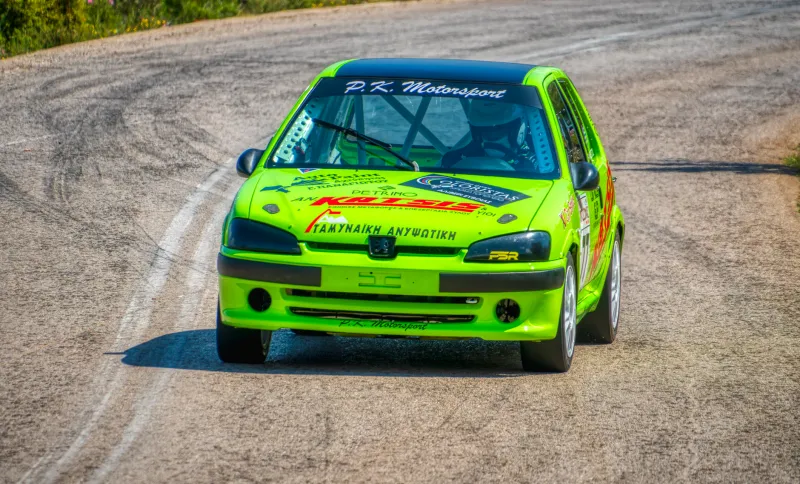
The Overlooked Twin: Why a Citroën Saxo VTS Still Makes a Fine First Track Car
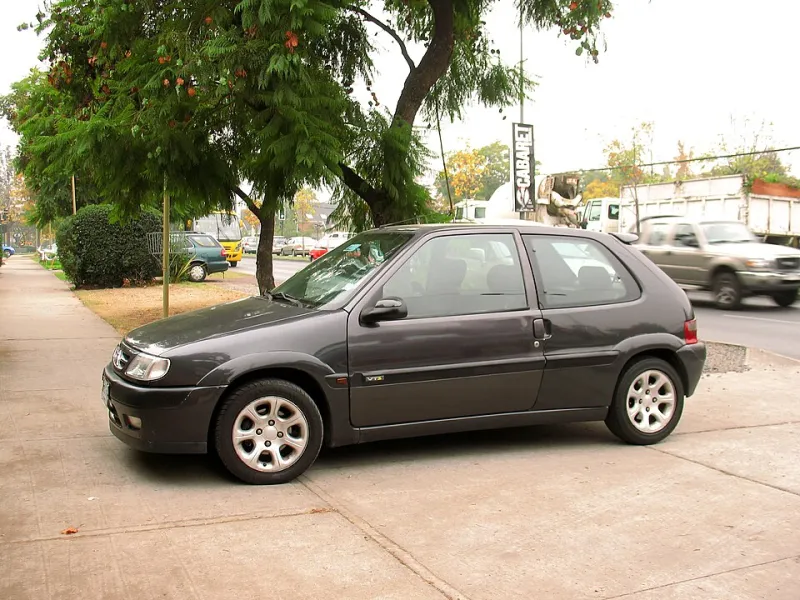
Photo: order_242 from Chile, CC BY-SA 2.0, via Wikimedia Commons
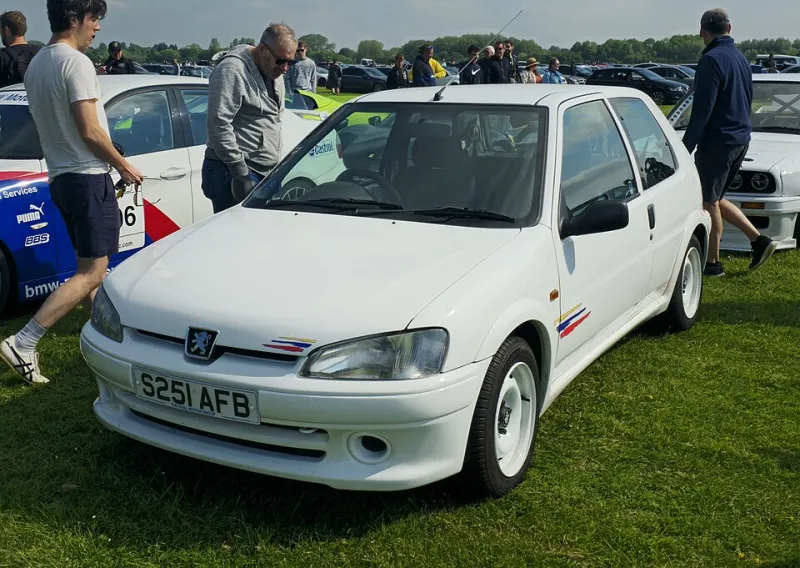
The Peugeot 106 GTI has become a bit of a poster car. Prices have firmed up, good ones get squirrelled away, and every other thread on the owners' groups is about values. The Citroën Saxo VTS, which is essentially the same car underneath, has not had that treatment. That gap is exactly why it deserves a proper look if you fancy a cheap, light, rear-beam-and-rev-happy introduction to French hot hatch track days.
Same Bones, Smaller Spotlight
Both cars came off the same PSA platform, ran versions of the TU engine, and used broadly the same suspension layout — MacPherson struts up front, a torsion beam with trailing arms at the back. The 16-valve VTS and the 106 GTI share the 1.6-litre TU5 unit, good for around 120bhp in a car that weighs not much more than a bag of cement and a spare wheel. Kerb weight on a standard car sits somewhere around the 900kg mark, depending on spec and how much sound deadening Citroën remembered to fit.
Where they differ is in reputation and, consequently, price. The 106 carries the rally-heritage glow and the GTI badge. The Saxo carries a slightly unfair reputation as the car your mate's cousin wrapped around a lamp post in 2003. Buy on condition rather than badge and you can end up with the same driving experience for noticeably less money. A tidy VTS still turns up for sensible money in 2026; an equivalent 106 GTI tends to ask more.
One word of warning: not every Saxo with a bodykit is a VTS. The VTR, with its 8-valve 90bhp engine, is a pleasant enough thing but a different proposition entirely on track. Check the logbook, the engine code and the brake setup rather than trusting the badge on the boot.
Road Manners Versus Circuit Manners
On a British B-road, the differences between a good VTS and a good 106 GTI are smaller than the internet would have you believe. Both are short-wheelbase, fizzy and keen to change direction. The Saxo perhaps feels a touch more brittle over broken tarmac and a little less polished in the way it settles mid-corner, but honestly, most of that comes down to the condition of the dampers and bushes on the individual car in front of you.
On circuit, the same story applies. The VTS is not the more sophisticated of the two, but it is every bit as entertaining. Turn-in is sharp, the rear axle is communicative in a way that modern stuff simply isn't, and the engine rewards revs rather than torque. You will not be winning many drag races down the pit straight, but you will be busy, involved and grinning. That is rather the point.
Where the 106 edges ahead is in the depth of knowledge around setups and the availability of off-the-shelf fast-road parts. The Saxo can use most of it, but the community is smaller, so you may have to do a bit more of your own research.
Buying Checks That Actually Matter
The shell is everything. Mechanicals are cheap and plentiful; rot is not.
- Rear arches and sills. These cars are old now. Bubbling around the rear arch lips and crusty jacking points are common. Take a magnet and a torch.
- Boot floor and spare wheel well. Water gets in through tired seals and sunroof drains, and it pools in the worst possible place.
- Rear beam and trailing arm bearings. A seized or cambered rear axle is a common failure and a pain to sort. Push down on the back and listen for creaks.
- Cambelt history. The TU engine is robust but the belt is not immortal. No evidence of a recent change means budgeting for one immediately.
- Gearbox behaviour. The BE-series gearbox can develop a crunch into second or third when the synchros wear. Also listen for whine that suggests diff trouble.
- Head gasket and cooling. Check for mixing of oil and coolant, and for a radiator that has seen better days.
- Electrics and immobiliser. Early cars had a keypad system; later ones have more conventional immobilisers. Make sure the car starts from cold and hot.
- Accident damage and modifications. Cut springs, cheap coilovers and drilled airboxes are all red flags. So is fresh underseal applied over something nasty.
A project can be had cheaply, but do the maths before you commit. A rusty shell will eat more than a tidy car ever will.
Sensible Track Prep
You do not need much to get a Saxo on track, which is half its appeal. Start with a thorough service: fresh oil, coolant, brake fluid, and a cambelt and water pump if the history is vague.
Brakes are the first real upgrade. Standard 247mm front discs with good pads, fresh fluid and braided lines will cope with a track day on a light car. A popular and affordable step is a 266mm front setup from a later PSA car, which gives a bit more heat capacity without ruining pedal feel. Check the rear discs on 16-valve cars and make sure the handbrake mechanism is free.
Suspension-wise, fresh standard dampers or a well-regarded budget coilover kit, new bushes and a proper geometry check will transform a tired car. Do not lower it to the deck; these things need suspension travel to work on British circuits. Fit decent 195/50R15 rubber — a set of semi-slicks on a spare set of wheels is the single biggest lap-time gain for the money.
Inside, a pair of bucket seats and harnesses are worth having, and a harness bar or half cage is a sensible safety step if you plan to do more than the odd day. Strip weight if you like, but keep it reversible and keep the car usable.
Living With One in 2026
Parts availability is a mixed picture. Engine and service components are still easy thanks to the shared TU family and the number of PSA cars that used them. Body panels and trim are thinner on the ground, and some items are effectively unobtainable new. The owners' groups and the specialist breakers are your friends here.
Two practical points for UK buyers. First, the Saxo is nowhere near the 40-year MOT exemption threshold, so plan on a normal test every year. Second, most Saxos predate Euro 4 petrol emissions standards, which means they are not ULEZ compliant — worth factoring in if you live in or regularly visit London.
The Verdict
The Saxo VTS is not the obvious choice, and that is precisely why it works. It offers the same bones, the same rev-hungry engine and the same rear-beam playfulness as its more famous Peugeot cousin, usually for less money and with less fuss about keeping it original. Buy the best shell you can find, budget for consumables, and spend your money on tyres, brakes and geometry rather than stickers. As an affordable, genuinely engaging route into French hot hatch track days in 2026, it still makes a lot of sense.