Policies, Pipes and Polybushes: Insuring a Modified French Hot Hatch in 2026
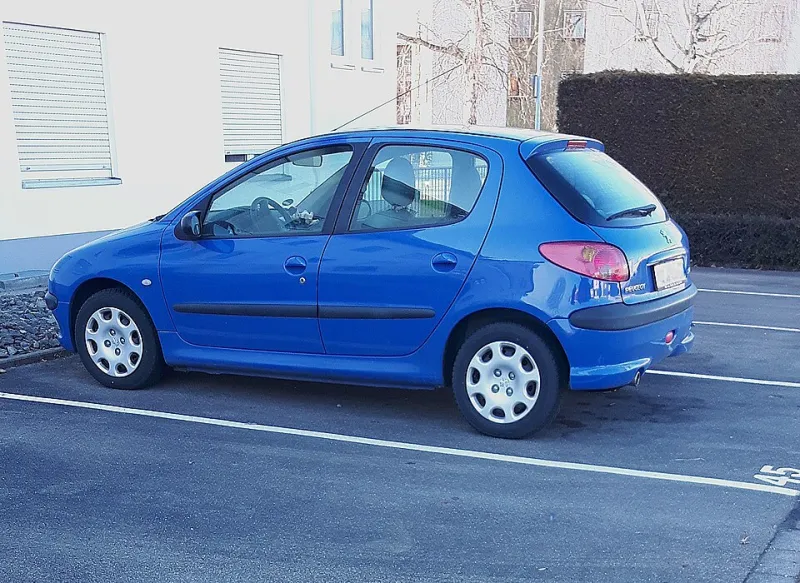
Photo: Trop86, CC0, via Wikimedia Commons
Modified insurance has a reputation problem. Ask around any French hot hatch owners club and you will hear the same stories: a premium that jumps for a set of coilovers, a claims handler who suddenly cares about the exhaust, or a renewal quote that quietly assumes the car is standard. The truth is less dramatic and more useful. Insurers are not anti-modification. They are anti-surprise. If you tell them what you have done, why it is there and what it would cost to replace, most of the battle is already won.
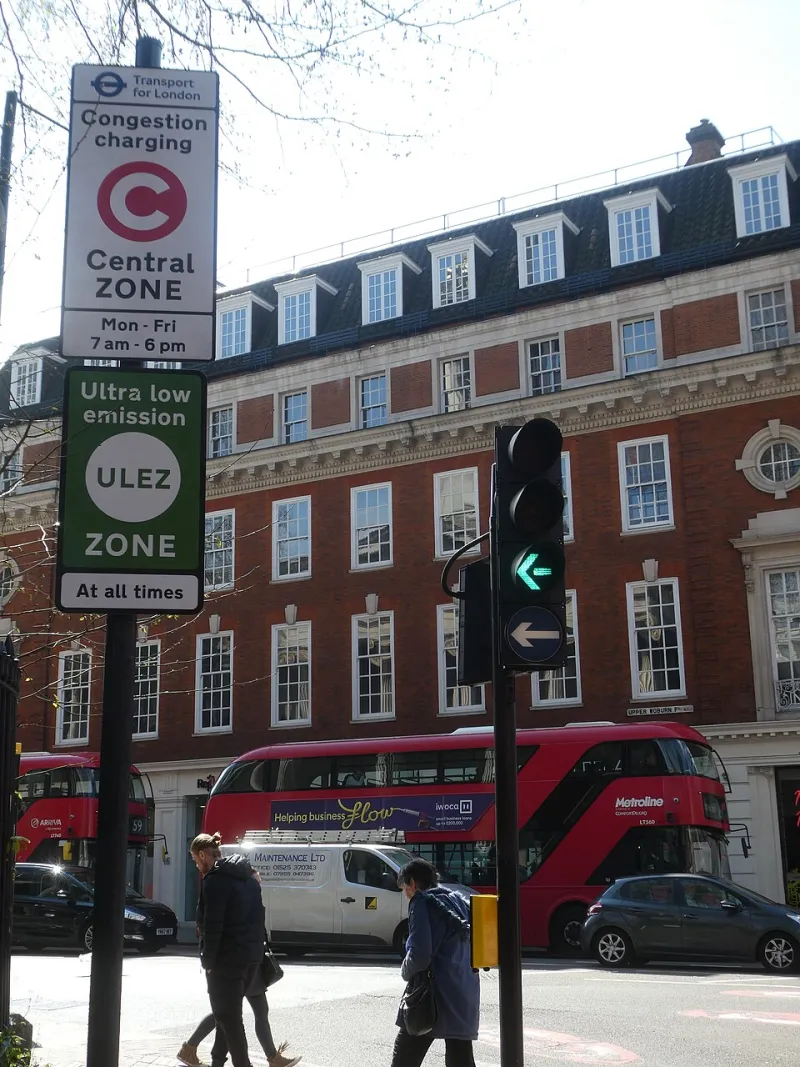
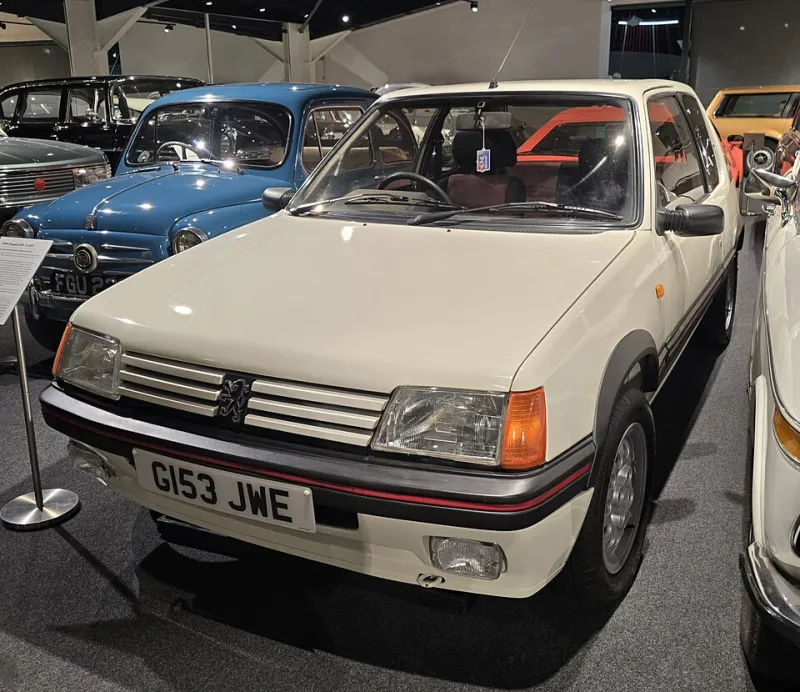
That matters more in 2026 than it did a few years ago. Clean Air Zone rules, rising repair costs and a tighter track-day scene have made underwriters more careful. A modified Peugeot 206 GTI or Renaultsport Clio is not automatically a problem, but it is a car that needs to be described accurately. Treat the policy as a written record of the car you actually own, not a formality you rush through on auto-renew.
Why modified cover is a conversation, not a penalty
The first thing to understand is that different insurers use different definitions. One may treat a stainless-steel cat-back as a cosmetic upgrade; another may class it as a performance modification because it changes noise and flow. A set of lowering springs might be fine on a standard policy, while coilovers trigger a specialist scheme. The only safe approach is to ask before you buy the policy, not after you have fitted the parts.
For French performance cars, the risk is compounded by age and value. A tidy 306 GTI-6 or Clio 182 may be worth more than its original insurance group suggests. A cheap premium that assumes a five-hundred-pound hatchback is not much comfort when your pride-and-joy is written off. That is where agreed valuation starts to matter.
Know what your insurer calls a modification
Most policies will want to know about anything that changes the car from factory specification. That includes obvious items such as a remap, turbo upgrade, sports exhaust, limited-slip differential or big-brake kit. It also includes suspension changes: coilovers, lowering springs, polybushes, adjustable top mounts, uprated anti-roll bars and even a fast-road geometry setup if it involves non-standard parts. Wheels and tyres can count too, especially if you have moved to a different size, offset or track-focused tyre.
Interior changes are easy to overlook. A stripped-out rear bench, bucket seats, a half cage or a harness bar may be fine for a track toy, but the insurer needs to know. So does a bodykit, a bonnet vent or a wrap. The rule of thumb is simple: if a knowledgeable buyer would spot it and ask about it, declare it.
The big four: suspension, brakes, engine, track-day kit
Suspension is the most common French hot hatch modification, and it is also one of the most misunderstood. A set of quality coilovers on a Clio 200 can transform the car on track, but it can also make the car less attractive to a mainstream insurer. Specialist brokers tend to be more comfortable with sensible, well-known kits than with one-off fabrication. Keep the receipts and photograph the installation.
Brakes are next. A Brembo or AP kit on a Mégane R26 is a sensible upgrade for track work, but it can add thousands to the replacement cost. Make sure the insurer knows the value of the kit, not just the fact that it is fitted. Engine modifications are the biggest red flag for many underwriters. A remap, intake, exhaust manifold, uprated intercooler or hybrid turbo changes the performance envelope and should be declared in detail. If you have had a forged engine built, you are into specialist territory and should expect a detailed conversation.
Track-day kit is its own category. A fire extinguisher, harnesses, a roll bar or a cut-off switch may be required by some organisers, but they are still modifications. Ask whether your road policy covers the car on a track. Usually it will not, and you will need separate track-day cover. That is not a reason to avoid track days; it is a reason to read the policy wording before you book.
Agreed valuation is your friend
Market value cover pays what the insurer thinks the car was worth at the time of loss. Agreed valuation pays a figure you have agreed in advance, usually backed by photographs, receipts and a specialist assessment. For a modified French hot hatch, that difference can be enormous. A standard 206 GTI may be worth a few thousand pounds; a well-built track car with a cage, brakes, suspension and a fresh engine could be worth far more.
Agreed valuation is not about inflating the figure. It is about proving it. Gather invoices for parts and labour, take clear photos of the car from every angle, and keep a record of the build. Some specialists will ask for an independent valuation. That is normal. The more evidence you have, the easier the conversation becomes.
The renewal traps that catch fast French cars
The most common mistake is auto-renewal. You add coilovers in March, the renewal arrives in September, and the policy renews on the old standard specification. Then a claim happens and the insurer notices the car does not match the file. Avoid that by reviewing the policy annually and updating it mid-term when you fit new parts.
Another trap is the comparison site. It is fine for a standard car, but modified vehicles often need a specialist broker who can explain the build to underwriters. Be honest about mileage, garaging and use. A car that is mainly used for weekend blasts and track days is a different risk from a daily commuter, and the premium should reflect that. Do not assume a limited-mileage policy is cheaper until you have checked the terms.
Finally, check the excess and the claims process. Some policies have a higher excess for modified cars. Some require you to use approved repairers. Some will not cover damage on a track, even on a non-competitive day. Read the small print before you need it.
A pre-renewal checklist
Before you renew or buy a policy for a modified Clio, 206, C2 or Mégane, work through this list. Write down every modification, including parts you fitted yourself. Photograph each item and keep the receipts. Confirm the insurer's definition of a modification in writing. Ask whether track-day use is covered or excluded. Check the agreed valuation and the evidence required. Confirm the mileage limit and whether commuting is included. Ask about mid-term changes and any admin fees. Finally, compare specialist quotes against your renewal, not just the cheapest headline price.
Modified French hot hatches are meant to be driven, not hidden. A clear policy and an honest file mean you can enjoy the car without worrying about what happens if the worst occurs. In 2026, that is worth as much as the parts themselves.