Beyond the Entry Fee: What a UK Track Day in a French Hot Hatch Really Costs in 2026
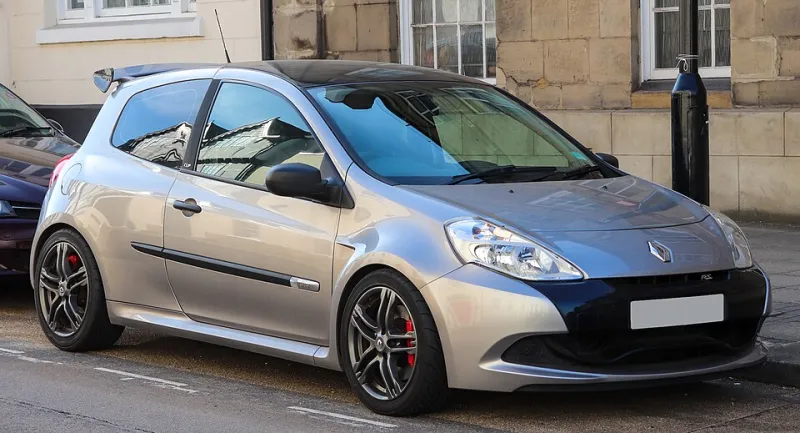
Photo: Vauxford, CC BY-SA 4.0, via Wikimedia Commons
Every track day starts the same way. You find a circuit, you see a price, you convince yourself it's cheap. Two hundred quid for a full day at Donington sounds like outstanding value next to a season ticket to anything. Then the day happens, and the actual number at the bottom of the spreadsheet looks nothing like the number on the booking page.
This isn't a warning to stay at home. It's a budget you can plan around, so the fun doesn't get ruined by a surprise in the second week of the following month.
Entry fees: what circuits are charging in 2026
A weekday full day at a circuit like Bedford, Donington or Cadwell generally lands between £200 and £280. Weekend dates push £280 to £330. Evening sessions at Brands Hatch or Goodwood are the cheap route in, often £110 to £160 for a few hours of open pit lane, and they're perfect for a first outing or a shakedown after winter work.
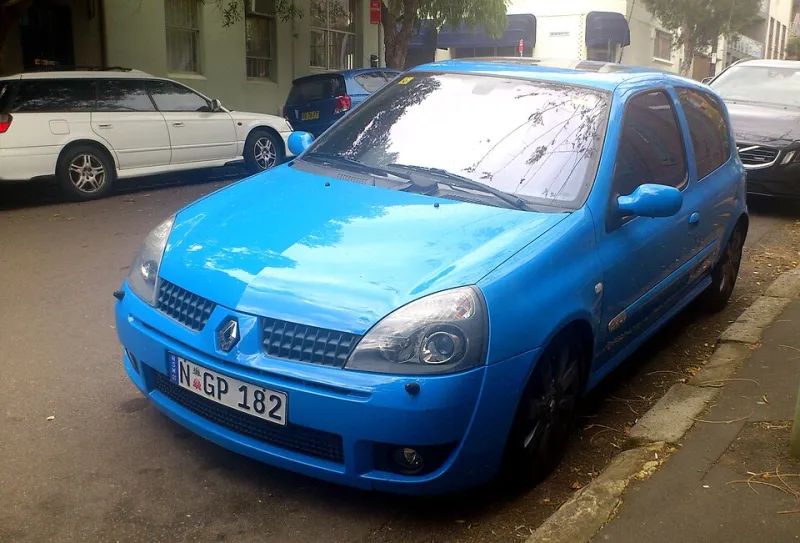
Noise limits are the other entry cost nobody budgets for. Most UK circuits run 98dB static and around 87 to 90dB drive-by. A standard Clio 200 or Megane R.S. will pass, but a decatted car with an aftermarket system will not, and you don't get your money back for being sent home at scrutineering.
Fuel: the biggest variable you control
A typical driver covers 100 to 140 track miles in a day. In a Clio 197 or 200 that's roughly 10 to 12mpg, so figure on 50 to 60 litres of super unleaded. At 2026 prices you're looking at £80 to £95 for the day, before the drive there and back.
A Megane R.S. 250 or 275 is heavier and thirstier. Add 15 to 20 per cent to everything.
Don't forget the journey. A 200-mile round trip in a car that returns mid-30s on a motorway run is another £30 to £40. Arrive with half a tank, brim it at the supermarket nearest the circuit, and you'll save a tenner without trying.
Tyres: where the money actually goes
This is the line item that separates people who do one track day from people who do six. A set of decent road-legal performance tyres in 215/45R17 costs £400 to £520 fitted. Do three or four dry days on them and the shoulders will be gone, particularly on a front-wheel-drive car with an open diff.
Amortised across a season, most owners are burning £60 to £90 of rubber per track day. Semi-slick track rubber costs more per set but survives heat better, so the per-day figure can end up similar. What kills budgets is arriving on half-worn road tyres and destroying them in one afternoon.
Brakes and fluids
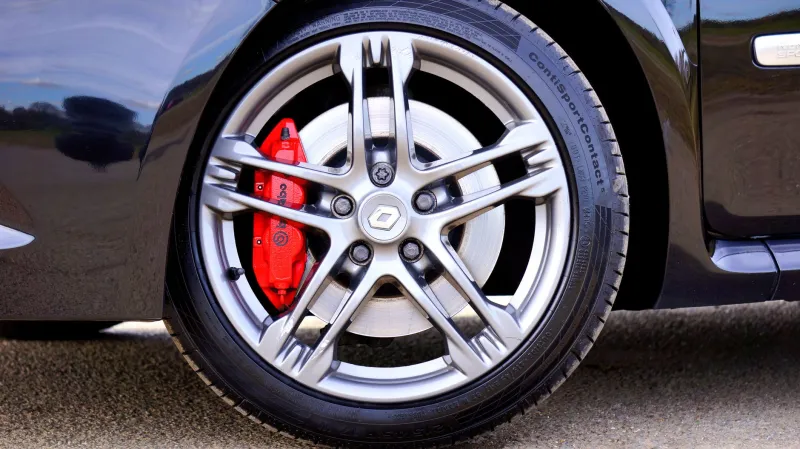
Fast road pads for a Clio or Megane front axle run £120 to £180. A set will do two or three track days if you're honest with yourself about cool-down laps. That's roughly £50 to £65 per day of pad wear. Full track compound pads cost more but last longer — do the sums over a season rather than a single event.
Brake fluid is the cheapest insurance in the sport. A litre of decent high-temp fluid is £20 to £25 and you should bleed the system before the season and again mid-year. Call it £15 per day. An oil and filter change either side of a heavy track season is £60 to £80, so budget £20 per event.
Insurance and recovery
Track day cover from a specialist is typically £70 to £140 for a single event, depending on the car's value and the circuit. If you're doing five or more days a year, an annual multi-event policy often works out cheaper at £350 to £500.
Recovery is the one nobody wants to think about. A flatbed from a circuit back home can be £150 to £250, more if you're at Anglesey on a Sunday. Standard breakdown cover rarely includes circuit recovery, so check the wording or add it before you go.
The hidden lines
Food and drink at a circuit is £15 to £25 if you use the cafe. Accommodation before an early briefing is £60 to £110. A second set of wheels is £200 to £400 once. Helmet, gloves, a decent tyre pressure gauge, a torque wrench and a small toolbox all come out of the same pot. And then there's the drive home — a car with cooked pads, a corded tyre or a clutch that's started to slip turns a £250 day into a £900 one.
A worked example: Clio 200 at Donington
| Item | Cost |
|---|---|
| Full-day entry, weekday | £240 |
| Track fuel (55 litres) | £85 |
| Travel fuel | £32 |
| Front pads, amortised | £55 |
| Tyres, amortised | £75 |
| Brake fluid share | £15 |
| Oil change share | £20 |
| Single-event insurance | £95 |
| Food and drink | £20 |
| Sundries | £10 |
| Total | £647 |
That's the honest figure. The cash you hand over on the day is closer to £400 — entry, fuel, insurance, lunch — which is exactly why the myth survives. The rest is wear you've already paid for or will pay for shortly.
Swap in a Megane R.S. and add £80 to £120 for the extra fuel and heavier brake wear. Go to a weekend date at a premium circuit and add another £80 to the entry line.
Where to actually save money
Book evening sessions and weekday dates. Choose circuits within 90 minutes of home and skip the hotel. Buy pads and fluid in bulk at the start of the season and fit them yourself. Run a dedicated set of track wheels so your road tyres aren't sacrificed. Take an annual insurance policy if you're doing more than four days. And take tuition — £30 for 20 minutes with an instructor is worth more lap time than £300 of engine work.
The honest answer
A UK track day in a French hot hatch in 2026 costs somewhere between £350 and £700 all-in, and the difference is almost entirely preparation. Budget £600 per day for a season, keep a £500 contingency for the flatbed you hope never comes, and the whole thing stays fun. Pretend it's £199 and the sport will find a way to send you the bill later.